Building AI digital products for creators and freelancers is one of the fastest ways to stop trading every hour for money. Templates, mini-courses, toolkits and resource libraries can be created once and sold repeatedly to a clearly defined audience. When these assets are combined with content-based acquisition, they become a core pillar of the new economic models powered by AI for freelancers focused on leverage and scalability.
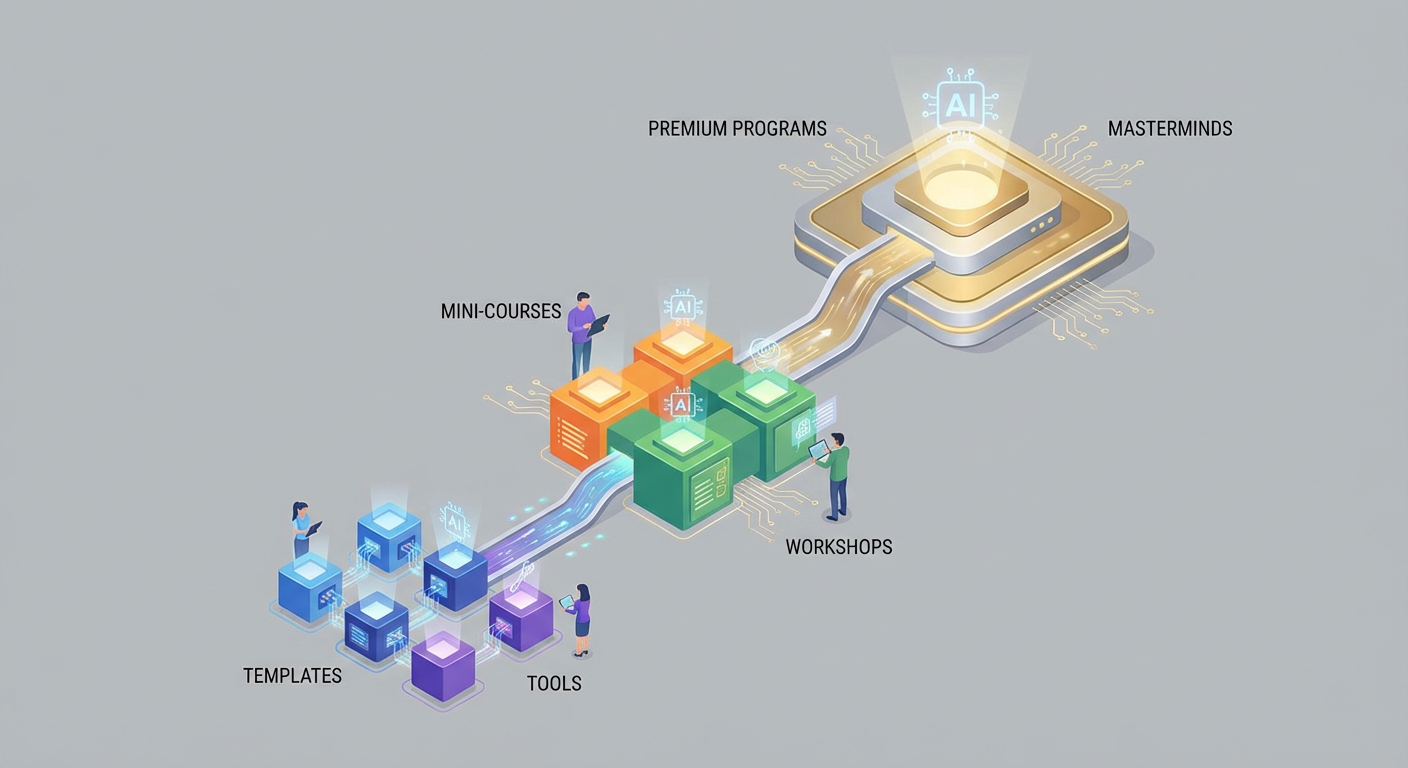
Why Digital Products Change the Freelance Game
Traditional freelance work scales linearly. You work one hour and earn one hour of pay. Work ten hours and earn ten times as much. Stop working and income stops immediately. This model caps your earnings at the number of hours you can physically work.
Digital products break this relationship completely. You invest time upfront creating something valuable. Then you sell it repeatedly without additional production cost. The same product generates revenue whether you sell one copy or one thousand copies. This is true leverage.
The math becomes compelling quickly. A freelancer earning $100 per hour needs to work 2,000 hours annually to reach $200,000 income. That same freelancer with a $200 course selling to 100 customers monthly adds $240,000 annually in product revenue while working far fewer total hours.
Most freelancers resist creating products because they fear the upfront investment or doubt anyone will buy. But the reality is simpler. You already have expertise people will pay to access. You solve problems repeatedly for clients. Those solutions can become products.
Types of Digital Products That Actually Sell
Not all digital products work equally well. Focus on formats that deliver clear value while remaining practical to create and maintain.
Templates and toolkits solve immediate problems with minimal learning curve. Spreadsheets, documents, checklists, frameworks and swipe files let buyers implement solutions quickly. A social media content calendar template priced at $29 takes hours to create but can sell hundreds of copies. Automation workflow templates, proposal templates, project management frameworks and similar resources work exceptionally well.
Mini-courses teach specific skills or processes in focused formats. Rather than comprehensive courses covering entire topics, mini-courses solve one specific problem in one to three hours of content. Price between $50 and $200 depending on value and audience. They’re easier to create than full courses and easier for buyers to complete, which improves satisfaction and referrals.
Resource libraries compile valuable reference materials into organized collections. Curated tool lists, vendor databases, example galleries and reference guides save buyers research time and provide ongoing utility. Subscription models work well here with monthly pricing of $10 to $50 for continued access.
Software tools and plugins solve technical problems without requiring users to code. Even simple tools built with no-code platforms can command premium pricing when they solve painful problems elegantly. Pricing varies widely from $20 one-time purchases to $50 monthly subscriptions based on value delivered.
Comprehensive courses remain viable for teaching complex skills requiring structured learning paths. Price between $200 and $2,000 depending on depth, outcomes and market positioning. They require significant upfront investment but can generate substantial revenue over time when marketed effectively.
Creating Your First Digital Product
Start with a problem you’ve solved multiple times for clients. Look for patterns in questions people ask, challenges they face and solutions they need. The best products emerge from repeated real-world problems rather than theoretical topics.
Validate demand before building. Survey your audience, run polls in relevant communities, analyze what competitors sell successfully. Spend a week researching whether people actually want what you plan to create. This prevents wasting months on products nobody buys.
Create a minimum viable product quickly. Your first version doesn’t need to be comprehensive or perfect. It needs to solve the core problem effectively. A 20-page template or two-hour mini-course can deliver tremendous value when focused on a specific outcome.
Price based on value delivered rather than hours invested. If your template saves someone 10 hours of work worth $50 per hour, it delivers $500 in value. Pricing it at $50 to $100 feels like a bargain to buyers regardless of whether it took you five hours or twenty hours to create.
Launch to your existing network first. Email your list, post in communities where you’re active, tell clients about the new resource. Early sales validate the concept and generate testimonials that make broader marketing more effective.
Building a Product Ecosystem
Single products generate nice supplemental income. Product ecosystems create serious revenue. The strategy is building multiple related products at different price points that serve the same audience.
Start with a low-ticket entry product priced between $20 and $50. This could be a template, small toolkit or resource guide. The goal is getting people to become customers with minimal friction. Once someone buys and gets value, they’re far more likely to buy again.
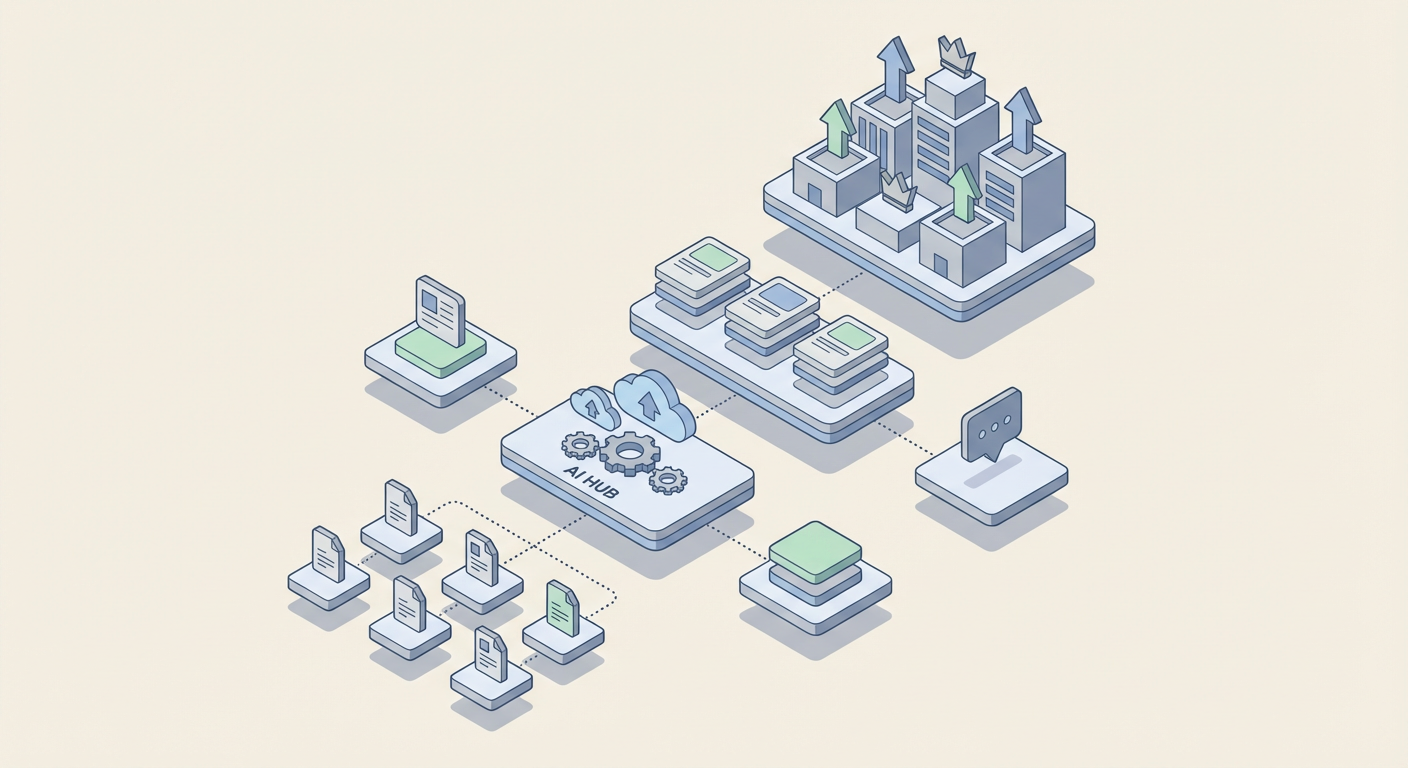
Mid-tier products priced between $100 and $300 serve customers ready for deeper solutions. Mini-courses, comprehensive templates or specialized toolkits fit here. Buyers who found value in your entry product naturally progress to mid-tier offerings when they need more.
Premium products priced between $500 and $2,000 deliver transformation or complete solutions. Full courses, certification programs, membership communities or high-end toolkits serve committed buyers seeking significant outcomes.
The ecosystem creates natural progression. Someone discovers your work through free content, buys a $29 template to test quality, then purchases a $200 mini-course, eventually joining your $1,000 comprehensive program. Each step builds trust while increasing total customer value.
Content Marketing as Product Distribution
Digital products need distribution. The most effective and sustainable approach is content marketing that attracts your ideal buyers organically.
Writing detailed helpful articles builds authority and trust while driving search traffic. Each article solving a specific problem positions you as an expert and introduces readers to your products naturally. SEO compounds over time as articles rank and drive consistent traffic.
Video content on YouTube reaches massive audiences searching for solutions. Even simple screen recordings teaching concepts or demonstrating processes can attract thousands of views. Video builds stronger connections than text alone and drives higher conversion rates to products.
Email lists remain the highest-converting channel for product sales. Build your list through lead magnets, free resources and consistent content. Email subscribers who already know and trust you convert at 5 to 20 times the rate of cold traffic.
Social media extends reach and builds community but typically converts lower than owned channels. Use platforms where your audience already spends time. Focus on providing genuine value rather than constant promotion. Occasional product mentions to an engaged audience convert well.
Pricing Strategies That Maximize Revenue
Pricing significantly impacts both sales volume and total revenue. Test different price points to find optimal positioning for your audience and product type.
Start higher than feels comfortable. Most freelancers underprice products significantly. If your gut says charge $50, try launching at $100. You can always lower prices but raising them after launch is difficult. Higher pricing also signals quality and attracts more committed buyers.
Create urgency through limited-time launch pricing. Offer early buyers a discount for the first week or first 50 customers. This drives initial sales momentum and creates testimonials that make ongoing marketing more effective.
Bundle products for higher average order value. Rather than selling three products separately at $50 each, create a bundle priced at $120. Buyers get a deal while you increase revenue per transaction. Bundles also introduce buyers to products they might not have purchased individually.
Test annual pricing for subscription or membership products. Offer 20 percent discount for annual prepayment versus monthly. This improves cash flow, reduces churn and provides working capital for growth.
Scaling Product Revenue
Growth comes from three sources: more traffic, higher conversion rates and increased customer lifetime value. Improve all three systematically.
Increase traffic through consistent content creation and strategic partnerships. Publish weekly articles or videos. Guest post on established platforms. Appear on podcasts. Collaborate with creators serving similar audiences. Each channel compounds over time.
Improve conversion through better positioning, proof and urgency. Strengthen product descriptions to focus on outcomes and benefits. Add customer testimonials and case studies. Create clear calls to action with reasons to buy now rather than later.
Maximize customer value by selling complementary products and creating upgrade paths. Someone who buys a template might need the mini-course teaching how to use it effectively. Course graduates might want ongoing community access or advanced programs.
Some product creators eventually expand into teaching others their methodology, which connects naturally to the broader opportunity in AI pricing strategy and retainer models where productized knowledge combines with ongoing strategic support.