Freelancers often wear too many hats. You write, pitch, send invoices, follow up on payments, and somehow still need to plan ahead. After twenty years of working independently, I’ve realized that managing work is harder than doing it. The routines that keep a business alive can quietly steal your energy if you let them. That’s where automation steps in. It doesn’t transform you into a machine; it keeps your business moving smoothly while you stay focused on meaningful tasks. Many professionals I meet on the road—from designers in Lisbon to coaches in Bali—share the same revelation: once daily operations run on autopilot, freedom returns. These principles also connect closely to the strategies outlined in my advanced AI automation guide for freelancers.
The hidden cost of manual routines
When you handle everything manually, small tasks pile up until they form walls around your time. You spend hours switching between emails, spreadsheets, and payment apps. It feels productive, but it’s survival mode. The real growth begins when operations flow in the background. Automation helps bridge the gap between effort and outcome, replacing cluttered multitasking with calm oversight. It’s about creating systems that deliver value predictably, so you can focus on the craft that clients actually pay for.
Automating scheduling and communications
One of the first things that drained my energy early in my freelance career was scheduling calls. The constant back and forth—“Does this time work for you?”—is unnecessary when scheduling tools sync calendars across time zones. They coordinate automatically, send reminders, and even follow up if someone forgets to confirm. For emails or project messages, similar systems organize your inbox, label high-priority contacts, and respond with preset templates. The tone remains professional but personal. You maintain consistency, not stiffness.
Managing finances without stress
Money management used to terrify me. Chasing invoices and calculating taxes took too much mental space. Once I integrated financial tools that automate invoicing, reminders, and receipts, my evenings became lighter. They track who owes what, manage payment gateways, and generate quick insights about revenue patterns. Think of them as digital accountants that never complain. Many freelancers avoid this step because they fear losing control, but the truth is the opposite—you gain clarity because everything becomes visible in one place.
Reporting and analytics made easy
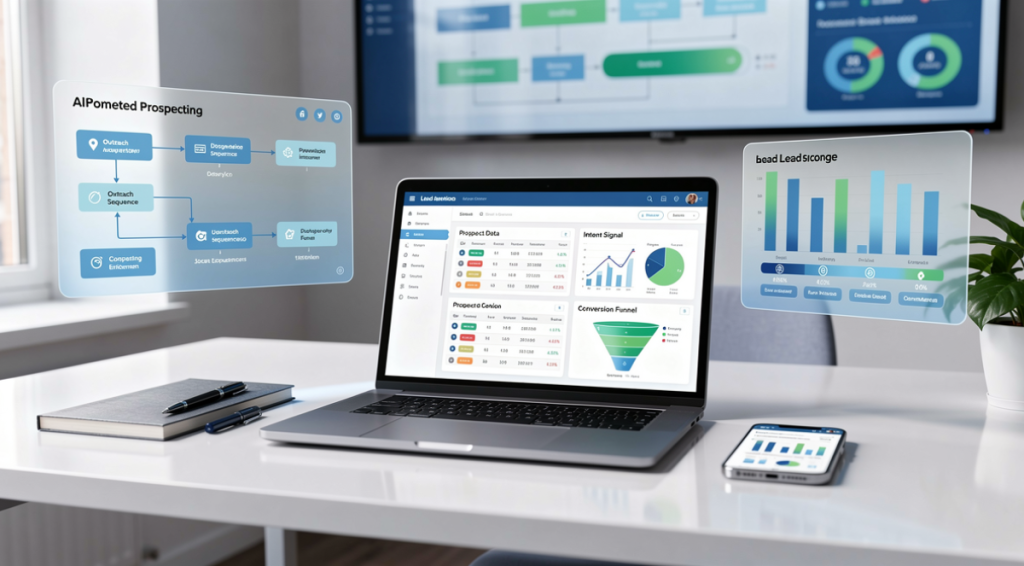
Good decisions come from good information. Automation turns raw data into clear summaries. Whether it’s tracking project completion times, monthly income trends, or client responses, dashboards bring transparency. They save you from diving into scattered files. When I first built my performance board, I discovered an interesting pattern: most delays happened at the feedback stage, not production. With that insight, I changed how I followed up with clients—and efficiency improved without extra effort.
Project organization and delegation
As your workload grows, project management can become messy. Files get lost, tasks overlap, or deadlines silently approach. Automation helps by organizing assignments, sending alerts, and mapping workflow bottlenecks. Instead of juggling sticky notes, you have a clear overview of your progress. These systems are also perfect for small collaborations. When you team up with another freelancer or subcontractor, automation handles coordination so you both stay aligned without pushing emails back and forth all day.
Maintaining customer relationships
Business automation isn’t just about internal processes; it also improves how clients experience your service. Automated messages can thank new customers, request feedback after delivery, or offer follow-up deals later. When done with sensitivity, clients feel valued, not processed. Over time, these small touches build long-term trust. You stop worrying about missed opportunities because the system quietly keeps relationships warm.
Keeping your mental space clean
The deeper benefit of automating your business isn’t only productivity—it’s peace of mind. When tasks sort themselves, your brain no longer carries the weight of reminders and checklists. You think clearer, work longer with less fatigue, and leave room for creativity. I often notice this shift in freelancers who adopt automation: their confidence increases because they finally control their schedule instead of being ruled by it.
Building a system that grows with you
The best part is scalability. Whether you manage one client or twenty, the foundation stays the same. Every new project fits naturally into your structured system. Over time, you’ll notice patterns that lead to optimization—like which services generate more profit or how seasonal demand affects workload. With everything measured, adaptation becomes second nature. And when you travel or take time off, the business keeps running smoothly in your absence.
Conclusion
Automation transforms the daily routine from a tangle of tasks into a quiet rhythm of progress. It helps freelancers build reliability without sacrificing freedom. Once operations stabilize, you can dedicate energy to expansion rather than maintenance. To understand how automation also supports lasting client relationships and repeat business, explore https://qivato.com/advanced-automation-10-ai-workflows-that-skyrocket-freelancers-growth/ .