Running a successful e-commerce store involves more than just having great products and marketing; it requires effective logistics and operations. Entrepreneurs often struggle with challenges like inventory management, shipping costs, and delivery delays, which are interconnected issues that can impact the entire business. However, advancements in sophisticated software are providing solutions to these complexities, allowing businesses to leverage data and automation for improved efficiency. The guide aims to help readers build a responsive and efficient operational framework, covering aspects such as demand prediction, warehouse optimization, shipping mastery, last-mile delivery, customer support automation, and turning returns into opportunities, ultimately creating a powerful and scalable e-commerce engine.
From chaos to control: how ai is revolutionizing inventory management
Inventory challenges in e-commerce
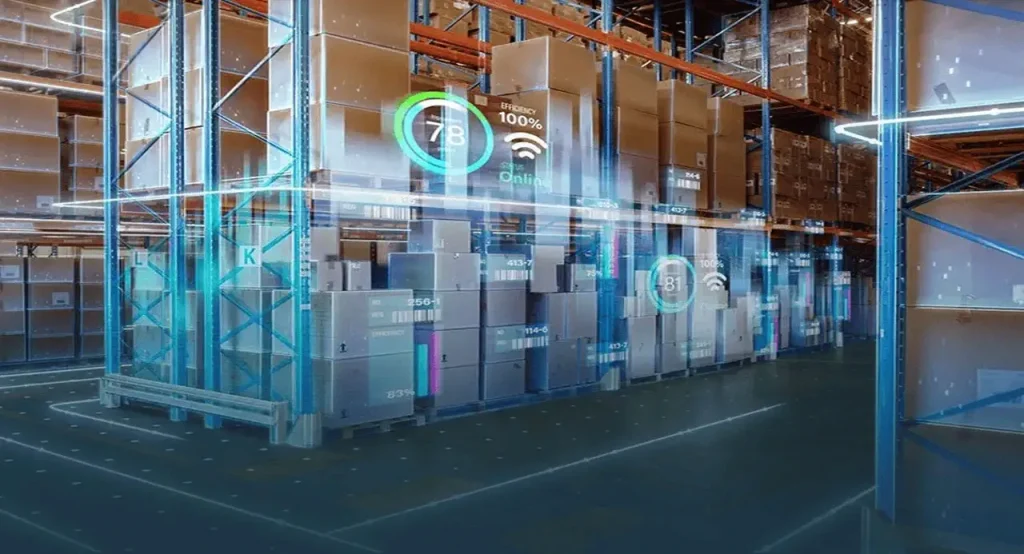
For e-commerce businesses, inventory represents the largest asset on their balance sheets but also the greatest source of operational challenges. The traditional, reactive approach to inventory management—ordering based on past sales data and intuition—incurs risks such as stockouts, which lead to lost sales and frustrated customers, or over-ordering, which ties up essential capital in slow-moving products and incurs high storage costs.
Transition to predictive inventory management
The solution lies in adopting a predictive inventory management model powered by advanced demand forecasting. This system analyzes not only past sales but also a variety of internal and external signals, including marketing calendars, seasonal trends, website traffic, and market data. By identifying patterns that humans may overlook, such as increased demand due to influencer promotions or seasonal weather changes, businesses can make informed inventory decisions.
Automation and precision in inventory orders
With the predictive capability, companies can shift from manual purchasing to automated order replenishment. The system can automatically generate orders when stock levels are projected to fall below a certain threshold, ensuring that products are consistently available. Additionally, it calculates optimal safety stock levels for each product based on its demand volatility and supply chain reliability, reducing waste associated with excess inventory.
Strategic transformation and customer satisfaction
This shift not only alleviates the burden of inventory management but also converts inventory from liability into a strategic asset. By freeing up capital and reducing operational stress, companies can enhance customer satisfaction by ensuring that products are always available when needed. This transition is identified as a critical step in building a truly intelligent and efficient e-commerce operation.
The self-optimizing warehouse: ai in fulfillment and warehouse operations
Challenges of traditional warehouse operations
In traditional warehouses, inventory management often relies on outdated processes and manual labor. Workers spend excessive time navigating the facility to pick items based on paper lists or basic digital orders, leading to inefficiencies such as poor product placement, congestion, and errors. This results in significant wastes of time, labor, and space.
Implementation of intelligent warehouse management systems (WMS)
The solution to these challenges is the adoption of an intelligent Warehouse Management System (WMS). This software serves as the operational brain, functioning as a dynamic command center that makes real-time decisions. It maintains a digital representation of the warehouse layout and utilizes advanced algorithms to optimize the storage and movement of items, determining the best locations for new stock and understanding product affinities to create a more efficient storage environment.
Optimizing the picking process
One of the most significant improvements from implementing a WMS is in the picking process. Rather than relying on static lists, workers use smart devices that guide them along optimized pick paths. The system employs dynamic slotting, which continuously analyzes sales data to position fast-moving products in easily accessible areas, reducing physical strain and speeding up order fulfillment. By calculating the most efficient routes for picking, the WMS can significantly decrease walking time, allowing workers to complete more orders per hour.
Integration of robotics to enhance efficiency
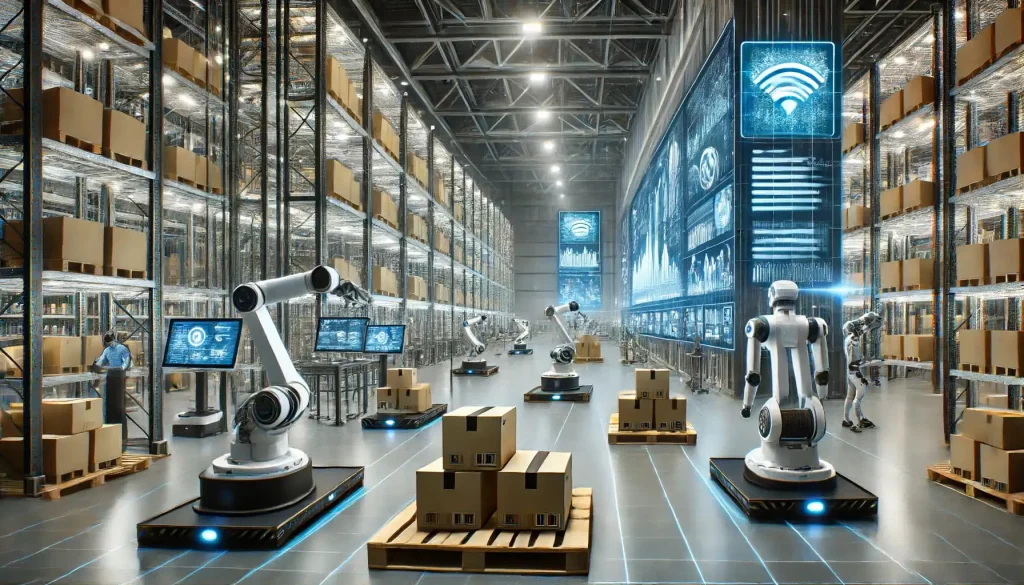
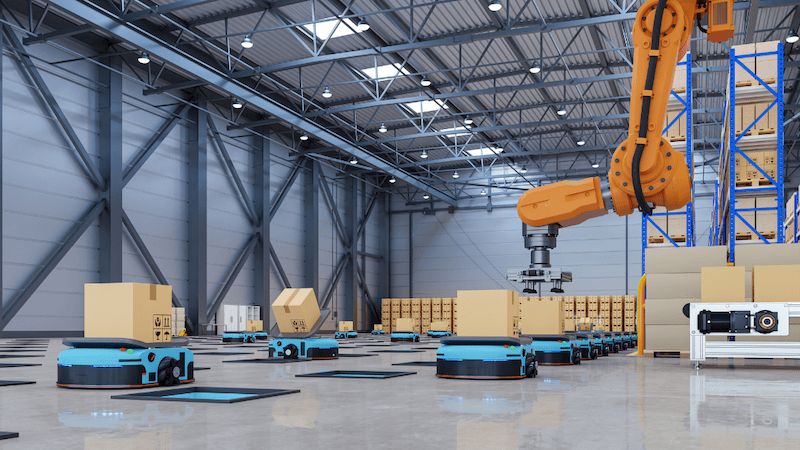
In larger operations, the advantages of AI extend to robotics. Autonomous mobile robots can deliver entire shelves to stationary pickers, a method known as goods-to-person, which eliminates the need for workers to walk. The AI system coordinates these robots, automated sortation systems, and human labor, creating a synchronized workflow that enhances productivity and accuracy. This orchestration transforms the warehouse environment into a highly efficient operation. For further insights into these technologies and their integration, our guide on warehouse automation AI offers an in-depth exploration of available hardware and software solutions.

Beyond the lowest rate: using ai for dynamic shipping and carrier selection
Revaluating traditional shipping strategies
As warehouse operations become more efficient, attention shifts to the critical task of delivering packages to customers. Many businesses have historically selected shipping carriers based solely on the lowest published rates. While this approach may seem cost-effective, it overlooks essential factors such as delivery speed, reliability, and overall customer experience. Choosing a slower or less reliable carrier to save money can lead to increased customer service inquiries and negative brand perceptions due to late or damaged deliveries.
The importance of delivery experience
The delivery experience serves as a key touchpoint in a customer’s interaction with a brand. A negative experience, such as slow or unreliable delivery, can significantly impact a customer’s perception and loyalty. Therefore, it is crucial to consider the total cost of shipping decisions beyond just the initial rate.
Implementing dynamic shipping optimization
The solution to these challenges lies in dynamic shipping optimization, which utilizes intelligent software to enhance shipping decisions. This technology evaluates a wide range of variables in real-time for each order, including carrier performance data, weather conditions, delivery specifics, and package dimensions. By doing so, it identifies the best shipping option, recognizing that the lowest rate may not always be the most cost-effective when considering potential hidden costs and customer dissatisfaction.
Unified shipping dashboard for enhanced efficiency
Dynamic shipping optimization operates through a unified shipping dashboard that consolidates all carrier relationships and data into a single interface. This platform provides a comprehensive, real-time overview of shipping expenses and performance across multiple carriers, aiding in contract negotiations with concrete data on on-time delivery rates. Additionally, it simplifies daily workflows by allowing teams to operate from one system, eliminating the need to navigate multiple carrier portals. For detailed guidance on implementation, our page on dynamic shipping optimization offers an analysis of leading platforms and integration strategies.
The final mile frontier: how ai is solving last-mile delivery challenges
Importance of last-mile delivery
The last mile of delivery, which encompasses the journey from a local distribution hub to the customer’s doorstep, is the most critical and costly phase of the shipping process. Customers today expect not only speed but also transparency and flexibility regarding their package deliveries. Traditional delivery methods, characterized by static routes and broad time windows, struggle to meet these evolving consumer demands.
Challenges of last-mile delivery
The inherent inefficiency of last-mile delivery poses significant challenges. Drivers must navigate congested urban areas and long rural routes, often resulting in delays and increased costs. A single failed delivery—such as when no one is home—can lead to additional expenses, including returns to the depot and rescheduling deliveries, ultimately heightening customer frustration and impacting satisfaction.
Role of intelligent route optimization
To address these challenges, intelligent route optimization software is essential. Unlike static mapping systems, these advanced solutions leverage live data to create dynamic and efficient delivery paths. The algorithms consider real-time traffic conditions, weather, road closures, and specific delivery time windows, allowing for adjustments on the fly. This adaptability ensures that drivers spend more time delivering packages rather than being stuck in traffic.
Enhancing customer transparency
AI-driven route optimization also enhances customer transparency. By analyzing the optimized delivery route and real-time progress, the system can provide customers with accurate estimated arrival times. This proactive communication—such as notifying customers of a two-hour delivery significantly reduces anxiety and lowers the likelihood of failed deliveries. When customers are given a precise timeframe, they are more likely to be home, resulting in time and cost savings for the delivery service.

Your 24/7 customer ally: implementing ai-powered logistics support
The challenge of customer inquiries
Achieving seamless delivery is often complicated by numerous customer inquiries related to logistics. A large portion of e-commerce customer service questions revolves around tracking orders, changing delivery addresses, or initiating returns. Manually handling these inquiries is time-consuming for support teams, requiring agents to log into carrier websites and interpret tracking data, which can take up to ten minutes per request.
Solution : intelligent support systems
To alleviate this burden, the implementation of an intelligent support system is essential. This technology functions as a 24/7 logistics assistant, integrated directly with order management and shipping carriers to provide instant access to the latest tracking information. Unlike basic status updates, the system interprets data to deliver clear and informative responses, such as specifying the package’s location and estimated delivery time, thereby reducing customer uncertainty.
Expanding capabilities beyond tracking
The capabilities of these AI systems extend far beyond simple tracking inquiries. They can be programmed to handle a variety of common logistics requests autonomously. For example, if a customer asks to redirect a package due to being unavailable at home, the system can check the shipment status and, if feasible, initiate the redirect process with the carrier, confirming the change with the customer. Additionally, it can automate the return process by generating shipping labels and logging returns without human intervention, transforming lengthy support tickets into quick self-service interactions.
Empowering customer support teams
The primary goal of this automation is not to replace human agents but to empower them. By automating repetitive logistics questions, support teams can focus on more complex issues that require empathy and problem-solving skills, such as handling damaged items or complicated returns. This reduces agent burnout from frequent tracking inquiries and allows for more thoughtful customer service, ultimately fostering deeper customer loyalty.
Predicting returns before they happen: ai in reverse logistics
Understanding the challenge of returns
In e-commerce, the customer journey often does not conclude with a successful delivery, as returns are a common reality. Traditionally, return processes have been reactive, leading to significant financial losses. After a customer initiates a return, the item is processed and sent back to the warehouse, viewed merely as a cost of doing business rather than an aspect that can be managed effectively.
Proactive strategies with predictive analytics
The modern approach shifts the focus to proactive management of returns. By employing predictive analytics, businesses can gain insights into why returns occur. Analyzing historical data allows intelligent systems to identify patterns and product characteristics responsible for high return rates. For instance, the data may reveal that a particular shoe style has a 40% return rate due to sizing issues, or that customers buying an electronic device without essential accessories are more likely to return it. These insights enable businesses to implement preventive measures, such as enhancing product pages with better sizing guides or offering pre-purchase consultations for items at risk of high returns.
Customizing return policies
With predictive intelligence, companies can develop more dynamic return policies tailored to individual customer circumstances. For loyal customers with a low return risk, this could mean offering free return shipping and extended return windows. Conversely, new customers with orders deemed high-risk might receive proactive sizing guides or personal support to confirm their selections. After a sale, the returns portal can be optimized to promote exchanges over refunds, thus helping to retain revenue.
Streamlining the return process
When returns are inevitable, the process must be seamless for both operations and customers. An automated returns portal allows customers to initiate and complete returns independently, generating shipping labels and providing necessary instructions. On the operational side, the system prepares the warehouse for incoming items, indicating what to expect and how to process them. This automation reduces labor, accelerates processing, and helps get products back into sellable condition more quickly.
Conclusion :
Modern e-commerce success hinges on creating an intelligent operational system rather than just a good website and products. This shift from reactive problem-solving to proactive management involves utilizing predictive systems for inventory clarity, automating warehouse workflows, and making data-driven shipping decisions. Improved automation can also handle routine customer inquiries and transform return challenges into opportunities for loyalty.
These interconnected elements create a virtuous cycle of efficiency and customer satisfaction. Accurate demand forecasting optimizes stock levels, which speeds up shipping, and transparent delivery processes enhance customer experience. Meanwhile, an efficient returns process generates valuable data for better forecasting.
To begin this optimization journey, businesses should focus on inventory management, as it serves as a crucial foundation. For guidance on starting this transformation, refer to our guide on AI demand forecasting, which offers practical insights for developing an intelligent e-commerce system.
Frequently asked questions
What is an AI-powered ecommerce engine?
An AI-powered ecommerce engine is the connected set of intelligent systems running a store: demand forecasting, inventory automation, dynamic fulfilment, proactive order communication, and retention marketing, all sharing data. Instead of isolated tools, each decision feeds the next, which is where the compounding efficiency comes from.
What are the components of an AI ecommerce stack?
Five layers: forecasting and inventory (predicting demand, automating replenishment), fulfilment and logistics (routing, tracking), customer experience (support automation, proactive updates), marketing (retention, personalisation) and analytics tying results together. Most stores build the stack progressively, one layer per quarter.
Where should a store start with AI operations?
Start where money leaks fastest: stores with stock problems start with forecasting, stores drowning in support tickets start with order-status automation, and stores with weak repeat purchase start with retention flows. One layer implemented well beats five configured superficially.
How fast do AI ecommerce improvements show results?
Customer-facing automation (tracking updates, support deflection) shows results within weeks. Forecasting and inventory improvements need one to two demand cycles, typically a quarter, to prove themselves. Retention economics compound over six months. Sequencing quick wins first funds the patience the deeper layers require.
🔗 Related Articles — EcomStack
- AI for Warehouse Automation and Smarter Fulfillment: The 2026 Complete Guide
- AI Demand Forecasting: Eliminate Stockouts and Overstock in 2026 (Complete Guide)
- Master Reverse Logistics and Reduce Return Rates with AI (2026 Deep Dive)
- AI for Ecommerce Freelancers: How to Build a High-Value Service Business in 2026
- Automate Logistics Support with AI Order Tracking