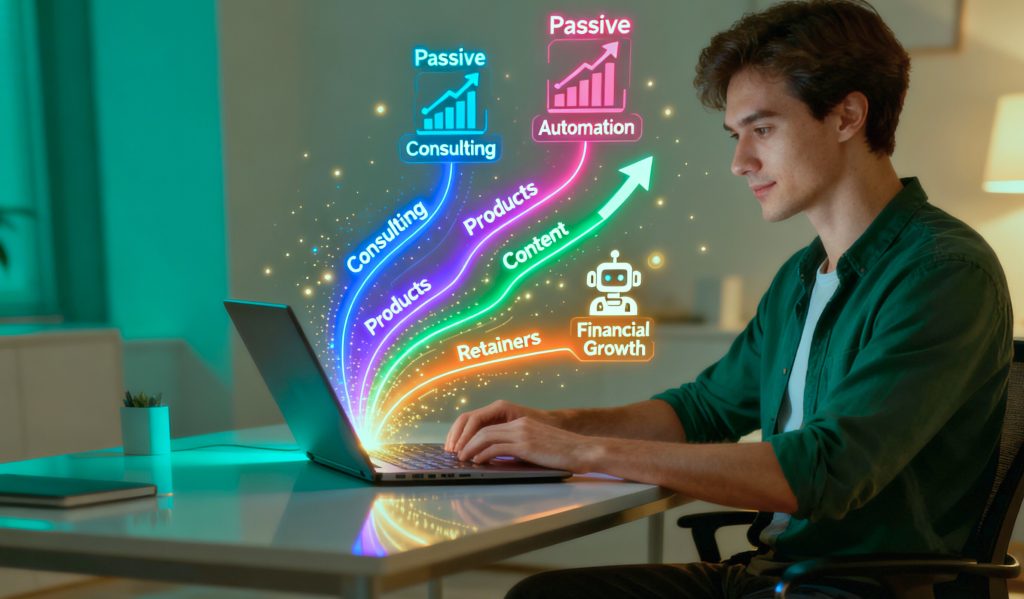
The Rise of AI Tools in Freelance Work
The freelance industry has been rapidly transformed by artificial intelligence, with over 70% of freelancers incorporating AI tools into their workflow in 2025. AI is now central to freelance success: automating research, brainstorming, translation, and proposal creation while bolstering productivity and opening up new ways to deliver value. Freelancers report significant time savings, improved efficiency, and the ability to focus on strategic, creative, and relationship-building tasks thanks to automation. Attracting beginners, this section sets the stage for understanding why AI adoption is crucial in today’s competitive market.
Top AI Tools Transforming Freelancer Productivity
AI solutions for freelancers address the pain points of task management, creative production, and communication. The standout tools of 2025 include:
- ChatGPT: For writing proposals, drafting content, and communication.
- Canva AI: Automates visual content production with features like Magic Design and Magic Edit.
- Notion AI: Organizes projects and streamlines collaboration.
- RescueTime: Tracks productivity and identifies workflow bottlenecks.
- Clockify: Automates timesheet creation and project tracking.
These tools enable freelancers to reclaim hours, work smarter, and stand out in a competitive landscape.
How to Choose the Right AI Tools for Your Freelance Niche
Selecting the best AI tools depends on your freelance niche and workflow requirements. For graphic designers, AI tools like Adobe Firefly (professional-grade image generation and text effects), Canva’s Magic Studio (social media templates and text-to-image), and Uizard (UI/UX prototyping) have become indispensable. Key selection factors include:
- Ease of use and integration into existing workflows.
- AI capabilities tailored to niche needs (e.g., branding, editing, task automation).
- Output quality, accuracy, and licensing terms.
- Value for money and accessibility, with many platforms offering free and paid tiers.
This section guides freelancers to match AI capabilities with their distinct work profiles, optimizing outcomes for designers, writers, marketers, and virtual assistants.
Overcoming Challenges When Adopting AI in Freelancing
Despite the promise, freelancers face unique challenges when adopting AI, including reliability concerns, market disruption, job displacement, and psychological impacts—like anxiety over being replaced by automation. Common pain points:
- Quality assurance: AI may generate errors requiring vigilant human oversight.
- Job market disruption: Sectors exposed to generative AI saw up to a 21% decline in job postings and lower earnings.
- Pricing pressures: Clients expect faster results for less, driving increased competition and lower rates.
- Adaptation and skill growth: Success requires freelancers to cultivate AI skills (prompt engineering, tool expertise) and focus on uniquely human tasks.
Practical strategies include continuous learning, strategic tool selection, and emphasizing creative or strategic value over purely automatable skills.
Future Trends: What’s Next for AI and Freelancers?
AI’s role in freelancing is expanding fast. In 2025, trends include:
- Smarter, AI-driven platforms that match freelancers to clients based on behavioral data and work history.
- The need for freelancers to develop new competencies, like advanced prompt engineering and human-AI collaboration skills.
- Evolving business models as companies demand flexibility and expertise, driving innovation and independent work.
- Shifts in remote work, with more freelancers leveraging AI for global opportunities, creativity, and work-life balance.
Freelancers who adapt and up-skill will be best positioned to thrive, turning AI into a strategic advantage rather than a threat.