Returns in e-commerce are an unavoidable reality, but they don’t have to drain your profit margins. Progressive brands are increasingly leveraging advanced AI-powered solutions to proactively manage reverse logistics and transform returns from a cost center into a strategic advantage. These intelligent systems can identify high-risk return items, detect potential fraud, and personalize the returns process to encourage exchanges and build customer loyalty. This article will explore how a strategic deployment of AI can redefine the post-purchase lifecycle, fostering customer retention and optimizing operational efficiency.
Unveiling the true cost of returns: beyond the refund check
When a customer initiates a return, the immediate sting is often perceived as solely the product’s cost. However, the actual financial impact extends far beyond this surface-level expense. The process initiates a cascade of resource-intensive activities. Your customer service team must meticulously process the return request within your system, engaging in potentially lengthy communication to address inquiries and resolve issues. Once the item is physically received, a dedicated employee must rigorously inspect it to determine its condition and suitability for resale.
The inspection dictates the subsequent steps: can the item be resold as new, necessitating only a simple restocking? Or does it require repackaging, refurbishment, or even repair before it can be offered to another customer? Following the evaluation, the item needs to be physically restocked into your inventory, demanding labor, time, and potentially specialized equipment. For items deemed unsalvageable, you face the additional burden of disposal or liquidation costs.
Furthermore, consider the hidden opportunity cost: the lost revenue from the original sale. A refunded order essentially nullifies the initial transaction, rendering your marketing investment to acquire that customer ineffective. The cost of customer acquisition (CAC) has effectively been wasted. By comprehensively understanding this multifaceted cost picture – encompassing direct expenses, operational burdens, and lost revenue opportunities – businesses can lay the foundation for a more intelligent and effective returns strategy.
Leveraging ai to forecast and mitigate returns before they occur
The most groundbreaking application of AI in reverse logistics lies in its predictive capabilities. By intelligently analyzing vast quantities of historical data, these systems can identify complex patterns and correlations that significantly increase the likelihood of a return. They meticulously examine a wide array of variables, including product attributes, customer behavior, and even the subtle nuances of language used in product reviews.
For instance, the AI-powered system might discern that a particular dress exhibits a consistently high return rate (e.g., 40%) primarily due to sizing discrepancies. Perhaps the dress tends to run significantly smaller than indicated on the size chart. Alternatively, the system might identify a pattern where customers purchasing a specific electronic device without also purchasing the recommended accessory bundle are demonstrably more likely to initiate a return.
The system can even detect subtle patterns in customer behavior, such as identifying individuals who habitually purchase multiple sizes or colors of the same item with the express intent of returning the majority. These insights provide invaluable intelligence for proactive intervention.
Armed with this knowledge, businesses can implement targeted preventative measures. For example, if the AI identifies a dress that consistently runs small, the product page can be updated with a more prominent and explicit sizing warning. The system can even suggest a specific size based on the customer’s previously submitted measurements or purchase history. By proactively addressing the root causes of returns before the purchase is even finalized, companies can significantly reduce future headaches, minimize losses, and enhance customer satisfaction.
Crafting dynamic policies for enhanced customer experience and revenue retention
A standardized, one-size-fits-all returns policy represents a significant missed opportunity to optimize the customer experience and protect revenue. Intelligent, AI-powered software enables the creation of dynamic and highly personalized return policies that are tailored to the specific characteristics of each individual order and customer. The system can leverage the predictive return risk score to inform and guide its decisions for each transaction.
For instance, a loyal customer with a proven track record of low return rates and a high lifetime value can be offered a premium returns experience as a reward for their patronage. This might include offering free return shipping, an extended return window, and expedited processing of returns. Such personalized incentives not only reinforce customer loyalty but also enhance their overall shopping experience.
Conversely, for a new customer placing a high-risk order, the system can trigger a different, more proactive approach. This might involve automatically offering a comprehensive sizing guide, providing detailed product specifications, or connecting the customer with a live chat agent to address any questions or concerns and confirm that the chosen product is indeed the right fit for their needs before the order is even shipped. This gentle intervention can proactively prevent a potential return before it even happens.
Post-sale, the returns portal can be dynamically personalized to emphasize exchange options over refunds, effectively encouraging customers to find a suitable alternative within your product catalog and thereby retaining revenue. This strategic personalization transforms the returns process from a potential loss into an opportunity for further engagement and brand loyalty. By offering personalized experiences and proactively addressing potential issues, companies can turn returns into a competitive advantage.
Automate returns for seamless customer experiences
When a return is unavoidable, AI-powered tools transform the process into a frictionless experience for both customers and your team. An automated returns portal lets customers start the process online in minutes—no support calls required. The system instantly authorizes eligible returns, generates prepaid shipping labels, and delivers real-time tracking updates via email or app.
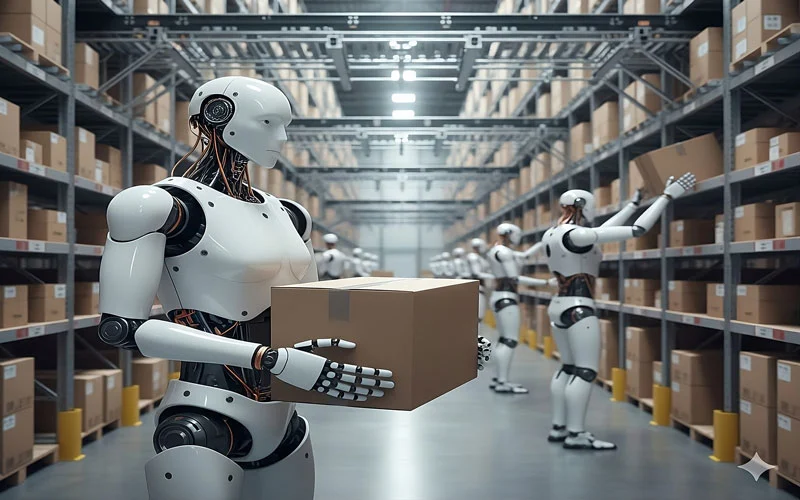
Behind the scenes, the software syncs with your warehouse management system (WMS) to prepare for arrivals. It alerts staff to incoming items, specifies handling instructions, and uses image recognition or condition scans to triage products automatically. New-condition items route straight to restocking shelves, while damaged ones head to a dedicated inspection zone for quick assessment.
This automation slashes labor costs by up to 50% per return and cuts processing time from days to hours. Faster refunds or exchanges turn potential detractors into satisfied customers, boosting retention even in challenging scenarios. At scale, it’s the foundation of efficient reverse logistics.
Transform returns into a loyalty-building opportunity
A streamlined returns process shifts reverse logistics from a dreaded cost center to a strategic asset that fosters customer loyalty. Customers who enjoy a hassle-free return—think one-click labels and same-day refunds—are 3-4 times more likely to make future purchases than those who’ve never returned anything.
Leverage AI-driven analytics to dissect return reasons, uncovering patterns like sizing inconsistencies or packaging flaws. For instance, if data shows frequent returns for a popular apparel line due to misleading size charts, your merchandising team can update descriptions or switch suppliers proactively.
Mastering this inbound flow demonstrates operational resilience and provides a holistic view of your product lifecycle—from initial sale to post-return reintegration. This data fuels continuous improvements across your catalog, reducing future returns by addressing root causes.
Unlock proactive insights with unified supply chain analytics
To elevate your reverse logistics game, integrate returns data into unified analytics platforms that span your entire supply chain. AI algorithms predict return spikes based on trends like seasonal demand or supplier quality dips, allowing preemptive inventory adjustments.
Visual dashboards reveal hidden opportunities, such as high-value restockable returns ripe for resale on secondary markets. By forecasting disruptions—like carrier delays or quality surges—you minimize stockouts and optimize cash flow.
This forward-looking approach not only cuts return rates by 20-30% over time but positions your operation as agile and customer-centric, ready for e-commerce growth.
Frequently asked questions
What is reverse logistics in ecommerce?
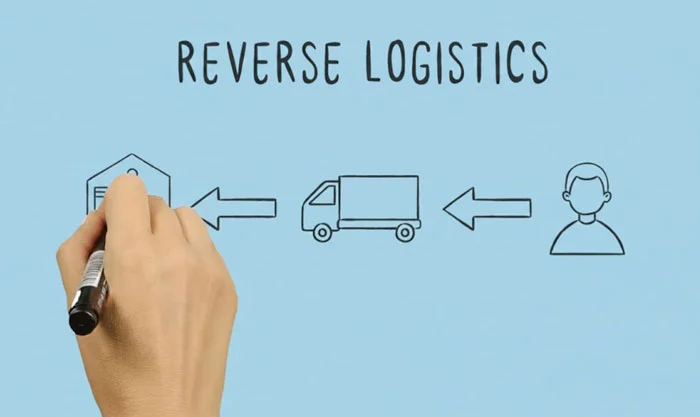
Reverse logistics is the flow of products moving backwards through the supply chain: returns, exchanges, repairs, recycling and disposal. For online stores it covers everything from the customer requesting a return to the item being restocked, refurbished or written off, and it directly affects both margins and customer loyalty.
How does AI reduce product returns?
AI attacks returns at three points: before purchase with better size guidance and product recommendations, at the return request by identifying resolvable issues that an exchange or support contact can fix, and after processing by analysing return reasons to correct product descriptions, sizing charts and quality issues at the source.
What is an average ecommerce return rate?
Online return rates average 15 to 20 percent across categories, with apparel and footwear reaching 25 to 40 percent. Every returned item typically costs 20 to 30 dollars in shipping, processing and lost resale value, which is why even a few percentage points of reduction translate directly into recovered margin.
Is AI returns management worth it for small stores?
Yes, above roughly 100 orders per month. At that volume, returns consume enough margin and support time for automation to pay back quickly, and entry-level tools start around 50 to 150 dollars monthly. Below that volume, better product pages and sizing information deliver most of the benefit for free.
🔗 Related Articles — EcomStack
- The AI-powered e-commerce engine: A strategic guide to transforming logistics and operations
- Automate Logistics Support with AI Order Tracking
- AI for Ecommerce Freelancers: How to Build a High-Value Service Business in 2026
- Solving Last-Mile Delivery with AI Route Optimization (Complete 2026 Guide)
- AI for Warehouse Automation and Smarter Fulfillment: The 2026 Complete Guide