In today’s digitally driven world, personal branding is no longer a luxury; it’s a necessity. Whether you’re a freelancer, entrepreneur, or aspiring professional, your personal brand – the unique combination of your skills, experiences, and personality communicated to the world – can significantly impact your career trajectory, business success, and overall influence. However, building a personal brand is only half the battle. To truly maximize its potential, you need to consistently evaluate its impact. This comprehensive guide provides a structured approach to evaluating your personal branding efforts, identifying areas for improvement, and ultimately, leveraging your brand to achieve your professional goals.
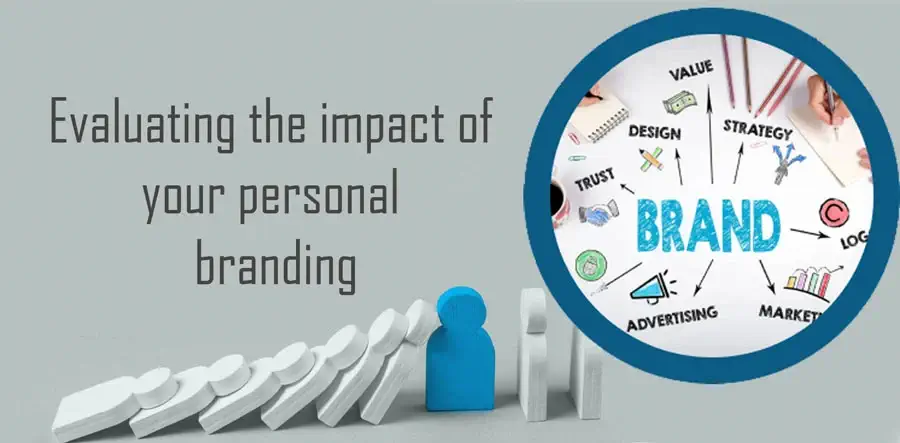
Why evaluate your personal branding ?
Regularly evaluating your personal branding efforts is crucial for ensuring that your brand messaging aligns with your goals and resonates with your target audience. Think of it as a health check for your professional identity, allowing you to fine-tune your approach and optimize your impact. Ignoring this crucial step can lead to wasted effort, missed opportunities, and a brand that fails to accurately represent your value. Here’s why evaluation is paramount :
1. understand your audience's perception
Your perception of your brand might differ significantly from how others perceive it. Evaluation helps bridge this gap by providing insights into how your target audience actually views you. Are you being perceived as an expert in your field? Are your values being accurately conveyed? Understanding these perceptions allows you to adjust your strategy to create a more accurate and compelling brand image.
2. refine your brand identity
Through evaluation, you can identify inconsistencies between your desired brand image and your actual brand perception. This process helps you refine your brand identity by highlighting areas where you need to strengthen your messaging, update your visual branding, or adjust your online presence. It allows you to ensure that your brand remains relevant, authentic, and aligned with your evolving goals.
3. attract the right opportunities
A strong and well-defined personal brand can act as a magnet for opportunities, whether it’s attracting potential clients, securing a dream job, or collaborating with industry leaders. Evaluating your branding efforts ensures that your brand is attracting the right opportunities – those that align with your skills, values, and long-term aspirations. If you’re attracting the wrong type of leads or opportunities, it’s a sign that your branding needs refinement.
Methods to evaluate the impact of your personal branding
Evaluating your personal brand requires a multifaceted approach, incorporating both qualitative and quantitative data. Here are several methods you can use to gain a comprehensive understanding of your brand’s impact :
1. audience feedback
Direct feedback from your audience is invaluable. Solicit feedback through :
- Surveys: Create short, targeted surveys to gauge audience perception of your brand, skills, and expertise. Tools like SurveyMonkey or Google Forms are excellent for this purpose.
- Interviews: Conduct one-on-one interviews with key individuals in your network, such as clients, colleagues, or mentors. This allows for more in-depth exploration of their perceptions and experiences with your brand.
- Social Media Polls: Use social media polls and Q&A sessions to gather quick feedback on specific aspects of your brand, such as your content, messaging, or visual identity.
2. social media data analysis
Social media platforms offer a wealth of data that can be used to assess the impact of your personal branding efforts. Key metrics to track include:
- Engagement Rate: Track likes, comments, shares, and retweets to gauge audience interest in your content and brand messaging.
- Reach and Impressions: Monitor the number of people who see your content and the number of times your content is displayed.
- Follower Growth: Analyze your follower growth rate to assess the effectiveness of your brand building efforts.
- Sentiment Analysis: Use social media monitoring tools to analyze the sentiment surrounding your brand mentions. Are people talking positively or negatively about you?
3. customer engagement review
For entrepreneurs and freelancers, analyzing customer engagement is crucial. Review:
- Lead Generation: Track the number of leads generated through your personal brand efforts.
- Conversion Rates: Monitor the percentage of leads that convert into paying clients or customers.
- Customer Retention: Assess customer loyalty and repeat business to gauge the effectiveness of your brand in building trust and credibility.
- Customer Service Interactions: Analyze customer service interactions to identify areas where your brand messaging may be unclear or misaligned with customer expectations.
4. online visibility assessment
Your online visibility plays a significant role in shaping your personal brand. Conduct an online visibility assessment by:
- Google Yourself: Search your name on Google and other search engines to see what results appear. Are you happy with the content that’s associated with your name?
- Monitor Mentions: Use Google Alerts or social media monitoring tools to track mentions of your name and brand across the web.
- Analyze Website Traffic: If you have a website or blog, analyze your website traffic using tools like Google Analytics to understand where your traffic is coming from and which content is performing best.
- Check Your SEO Ranking: Evaluate your website’s SEO ranking for relevant keywords to assess the effectiveness of your online presence.
5. competitive analysis
Analyzing the personal brands of your competitors can provide valuable insights into what’s working well in your industry and identify areas where you can differentiate yourself. Consider:
- Identifying Key Competitors: Identify individuals or businesses who are competing for the same audience or opportunities.
- Analyzing Their Branding Efforts: Analyze their online presence, content strategy, messaging, and social media engagement.
- Identifying Strengths and Weaknesses: Identify their strengths and weaknesses and compare them to your own branding efforts.
- Finding Opportunities for Differentiation: Identify opportunities to differentiate yourself by highlighting your unique skills, experiences, and values.
6. tracking testimonials and recommendations
Testimonials and recommendations are powerful forms of social proof that can significantly enhance your personal brand. Track:
- Collecting Testimonials: Actively solicit testimonials from satisfied clients, colleagues, or mentors.
- Showcasing Testimonials: Prominently showcase testimonials on your website, social media profiles, and marketing materials.
- Monitoring Online Reviews: Monitor online review platforms like LinkedIn and Google My Business for reviews and ratings.
- Responding to Reviews: Respond to both positive and negative reviews in a professional and timely manner.
What not to do when evaluating your branding
While evaluation is essential, certain pitfalls can skew your results and lead to ineffective adjustments. Avoid these common mistakes :
1. ignoring quantitative data
Relying solely on subjective opinions or gut feelings can lead to inaccurate conclusions. Back up your qualitative insights with quantitative data, such as website traffic, social media engagement, and customer conversion rates. This provides a more objective and data-driven understanding of your brand’s impact.
2. only comparing yourself to the best
While it’s beneficial to learn from successful individuals in your field, focusing solely on the “best” can be discouraging and unrealistic. Compare yourself to a broader range of competitors, including those who are at a similar stage in their career or business. This provides a more realistic benchmark and helps you identify achievable goals.
3. taking a one-size-fits-all approach
Every individual and business is unique, and your personal branding strategy should reflect that. Avoid blindly copying the branding strategies of others without considering your own skills, values, and target audience. Tailor your evaluation methods and adjustments to your specific needs and goals.
How to improve your personal branding
Once you’ve evaluated your personal branding efforts, it’s time to implement improvements. Here are some key strategies :
1. adjusting your messaging
Based on your evaluation, refine your brand messaging to ensure it accurately reflects your skills, values, and target audience’s needs. Consider:
- Clarifying Your Value Proposition: Clearly articulate the unique value you offer to your target audience.
- Refining Your Tone of Voice: Adjust your tone of voice to align with your brand identity and resonate with your target audience.
- Updating Your Brand Story: Ensure your brand story is compelling, authentic, and relevant to your target audience.
2. improving your content
Content is a critical component of personal branding. Improve your content by:
- Creating High-Quality Content: Focus on creating valuable, informative, and engaging content that resonates with your target audience.
- Optimizing for SEO: Optimize your content for relevant keywords to improve your online visibility.
- Diversifying Your Content Formats: Experiment with different content formats, such as blog posts, videos, infographics, and podcasts.
- Promoting Your Content: Actively promote your content on social media and other platforms to reach a wider audience.
3. Networking
Networking is essential for building relationships and expanding your reach. Improve your networking efforts by:
- Attending Industry Events: Attend industry conferences, workshops, and networking events to connect with other professionals.
- Engaging on Social Media: Engage with other professionals on social media platforms like LinkedIn and Twitter.
- Joining Professional Organizations: Join professional organizations related to your field to build your network and gain access to valuable resources.
- Mentoring and Volunteering: Offer mentorship to others or volunteer your skills to build relationships and enhance your reputation.
Conclusion
Evaluating the impact of your personal branding is an ongoing process that requires consistent effort and attention. By implementing the methods outlined in this guide, you can gain valuable insights into how your brand is perceived, identify areas for improvement, and ultimately, leverage your personal brand to achieve your professional goals. Remember, your personal brand is your most valuable asset – invest in it wisely and continuously refine it to maximize its impact.
Frequently asked questions
How do you measure personal branding impact?
Measure across three layers: visibility (profile views, impressions, search appearances), engagement (comments, shares, DMs, newsletter signups) and conversion (inbound inquiries, speaking invitations, opportunities that cite your content). Visibility without conversion signals reach without positioning; conversion growth is the real indicator the brand works.
Which metrics matter most for a personal brand?
Inbound opportunity volume is the primary metric: qualified people reaching out because of your content. Supporting indicators are engagement rate from your target audience specifically, branded search volume for your name, and email list growth. Follower count alone correlates weakly with business results.
How long does personal branding take to show results?
Expect early engagement signals within 4 to 8 weeks of consistent publishing, meaningful inbound inquiries within 3 to 6 months, and compounding authority effects from month six onward. The timeline shortens with a narrow niche and a consistent posting cadence, and lengthens with generic content.
What tools track personal branding performance?
Native platform analytics cover most needs: LinkedIn and Instagram insights for content performance, Google Alerts and branded search monitoring for mentions, and a simple spreadsheet logging inbound inquiries and their source. Dedicated social listening tools only become worthwhile once mention volume outgrows manual tracking.
🔗 Related Articles — Guides & Tutoriels